Commentary: Why millennials are uncovering tattoos at work
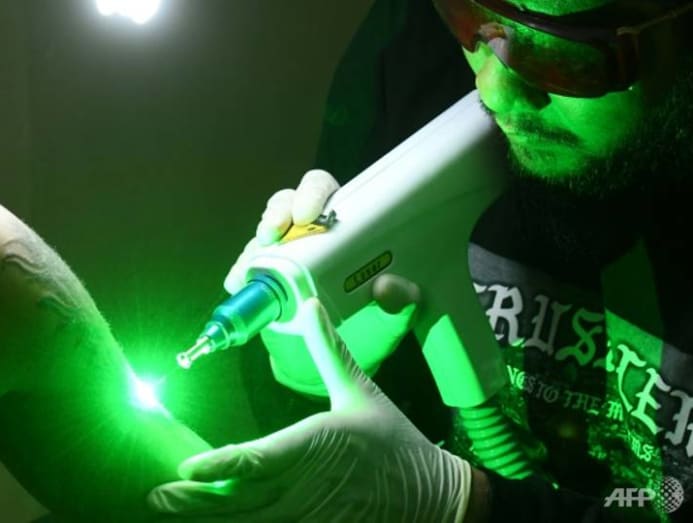
LONDON: My amateur tip to would-be entrepreneurs used to be this - invest in tattoo-removal parlours.
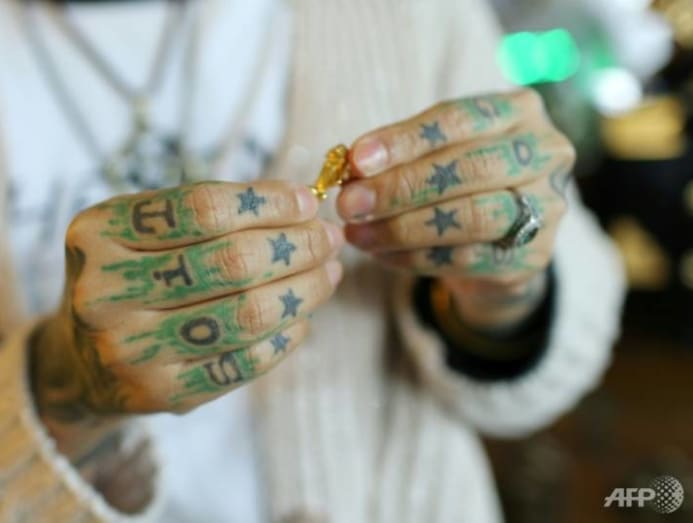
In 2015, nearly half of US millennials endemic upwards to a tattoo, equally did 30 per cent of Britons of like age. Those figures take virtually certainly risen since, judging by the number of tattoos brought out into the open up during the UK's recent heatwave.
I do non wear, mind to, or believe in the same things that I swore past when I was in my twenties, and then I struggle to believe that when they reach 50, millennials will want to be judged past the Minnie Mouse they had inscribed on their bicep when they were a educatee. Hence my backing for tattoo removal, a sector that one forecast suggests will exist worth a spuriously precise U.s.a.$two.85 billion past 2021.
But hold the laser removal-pens. Evidence likewise seems to be growing that body art is not every bit much of a hurdle to employment as it was in one case thought to be — and this is good news for the inked and uninked.
UNCOVERING Real SELVES
Many colleagues I consulted said they were gradually uncovering tattoos and even piercings at piece of work, if they had hidden them in the first place.
Ane said she had concealed tattoos for virtually a decade with plasters, trousers or thick tights until she realised it made no sense — especially equally her job included advising people to bring their "real selves" to piece of work.
Another said:
If information technology matters that much to someone to see ink on my wrist that it would overshadow their opinion of my personal or professional self, then they are probably non someone I would respect, or seek the respect of anyhow.
Body fine art is more than simply a fashion option. People choose tattoos to marker turning points, remind them of their cadre values, or shore up their identity: I ink, therefore I am.
Adam Peaty, the UK swimming star, has a lion tattooed on his left bicep, visible whenever his trunk rises from the pool en road to another medal. Jill Abramson, former editor of The New York Times, had a T tattooed on her back in the NYT'southward font.
U.k. scientist Matt Taylor chose to ink the Philae robot on to his right thigh to show his dedication to the Rosetta space project.
More than Diverse WORKPLACE
Most tattoos practice not line up so precisely with an employer'south mission or brand. But research just published in the journal Homo Relations suggests that despite perceptions, people with tattoos no longer face any actual wage or employment bigotry in the United states of america.
Tattooed men may even be slightly more than likely to find a job. Co-author Andrew Timming of the University of Western Australia's business school says he is struck how rapidly attitudes are irresolute. Tolerance, he told me, is increasing aslope the growing prevalence of trunk art.
This is positive not but for closet tattoo-wearers but for anyone wishing to express themselves at work. Information technology suggests as younger generations accelerate into management, they will have the power to change behaviour by shrugging at things that fabricated their predecessors frown.
This goes for other forms of difference. The use of "blind" recruitment, which concentrates outset on qualifications for the function rather than physical appearance, should accelerate the shift to a more various workplace.
Modify IN ATTITUDES TAKE TIME
Corporate culture is frustratingly inert, of class. Tattoos' negative associations may linger.
At the Academy of Management annual coming together on Monday, academics will present the results of a smaller-calibration experiment that found female person candidates with tattoos or extreme piercings were offered lower starting pay than those without body art. Those with extreme tattoos were seen every bit less competent.
It is also possible that one course of discrimination will simply be replaced by another. The aforementioned report suggests managers with no or few tattoos are less likely to hire applicants displaying extreme torso fine art, such equally neck tattoos or nose-rings.
Those sporting more than piercings were more likely to shun candidateswithout trunk art.
Most people I canvassed said they would even so cover upwardly tattoos for a first interview. One, who wears a olfactory organ-band and tattoos, told me she would worry she "might just be unlucky enough that the 1 person interviewing me will be i who judges me — and I would rather they didn't judge me on that".
BUT TATTOOS MAY BE IN Faddy IN THE FUTURE
Prudence suggests keeping tattoos to parts of the body that tin can be covered, just in case yous decide to use to be a judge or a general. And, as Ms Abramson's experience of existence fired shows, beware of carving your company brand on to your skin. Tattoos final much longer than near jobs.
Even and so, I want to hedge my recommended investment in removal parlours with a side-bet on an upmarket chain discreetly offering inking and piercing to bourgeois, older customers.
It will be anathema to those who once acquired tattoos and piercings every bit a sign of rebellion, but ane 24-hour interval everyone may want a piece of trunk art they tin can flaunt at an interview.
© 2022 The Financial Times Ltd. All rights reserved. Delight do not copy and paste FT articles and redistribute past email or post to the spider web.
sanchezthromervair.blogspot.com
Source: https://cnalifestyle.channelnewsasia.com/commentary/tattoos-employers-still-discriminate-workplace-companies-218146
0 Response to "Commentary: Why millennials are uncovering tattoos at work"
Post a Comment